RR / PROGRAM 01PRIMARY SOFTWARE PROGRAM
Early research & development
Rydell Droid Runtime
A locally operating language and behavioral runtime. The proposed intelligence foundation for future personal droids.
RESEARCH PROGRAMProject notes
An independent robotics initiative developing the software, intelligence, and hardware foundations for a new generation of personal machines.
EARLY RESEARCH & DEVELOPMENT / SOFTWARE FIRST
Before a personal machine can accompany us, it needs a way to understand and interact. RDR is our first software development program: a local, AI-powered language and behavioral runtime for future Rydell droids.
The proposed system reasons with natural language internally, then expresses conversational intent through beeps, whistles, and physical behaviors—not necessarily spoken English.
Read the runtime planOffline English speech recognition
Local language processing & intent
Electronic sounds & behavior interfaces
Target: Raspberry Pi 5, preferably 8GB. Local processing; no cloud inference dependency. Architecture candidates remain unvalidated.
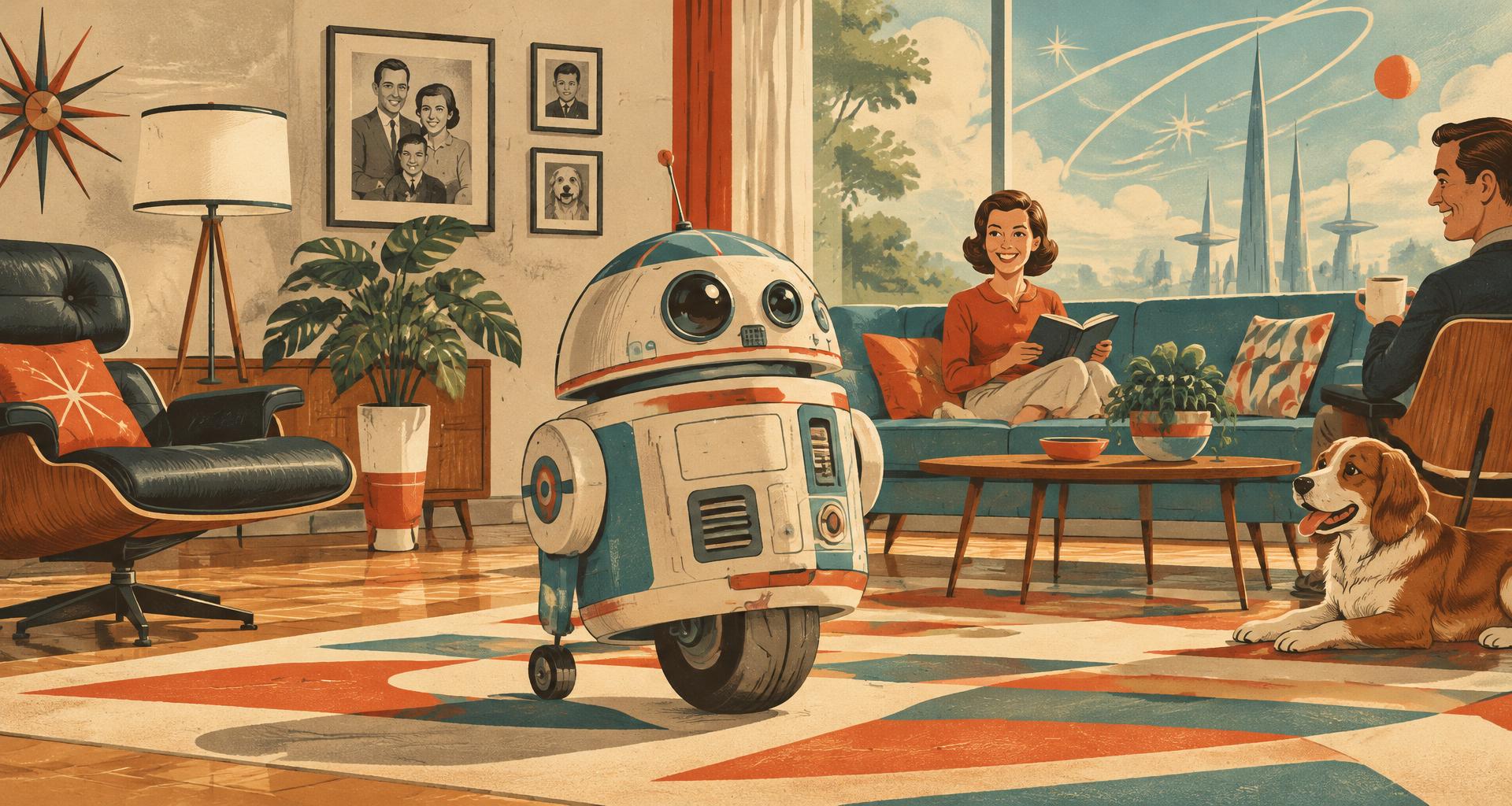
Our ambition is a family of personal machines that ordinary people can understand, repair, and make their own. We begin with the runtime; a physical companion is the next planned platform. No finished products are available.
A locally operating language and behavioral runtime. The proposed intelligence foundation for future personal droids.
A small personal machine designed around companionship, expressive interaction, and an understandable, repairable architecture.
A proposed engineering sequence, not a record of completed milestones. Scope will evolve through practical experimentation; no release dates or validated performance are announced.
Design and develop RDR, beginning with offline speech recognition, local language processing, and expressive droid communication.
Expand the runtime with persistent memory, personality, contextual responses, and interfaces for physical robotic behaviors.
Integrate RDR with a working companion droid platform: mobility, sensors, power management, and basic environmental awareness.
Explore owner recognition, familiar people and pets, owner following, obstacle avoidance, and increasingly natural interactions.
Investigate additional platforms, reusable components, development documentation, and possible DIY accessibility.
The long-term ambition is an ecosystem of robotic companions, rovers, and supporting technologies. These are possible areas of exploration, not announced products.